
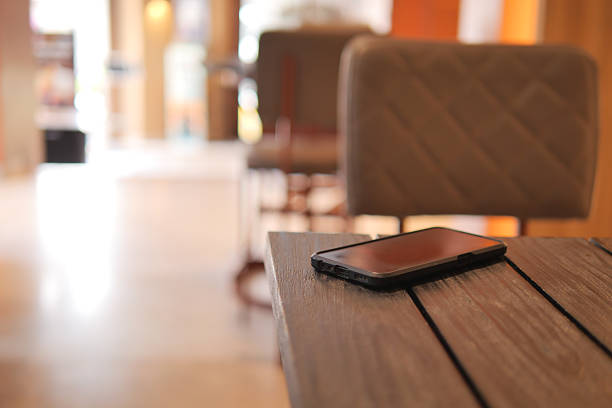
Modern hotel guests rely on their devices throughout their stay. Smartphones help guests check in, find local places, view digital information, make payments, communicate, and stay connected.
Guests may also carry tablets, earbuds, smartwatches, and other devices. Keeping these devices powered is now part of everyday travel.
Traditional charging can create a design problem. Visible cables, adapters, charging docks, and power accessories can make a carefully designed guest space look cluttered.
This is where invisible wireless charging for hospitality can offer a design led solution. Charging technology can be placed beneath or within suitable furniture and surfaces, allowing guests to charge compatible devices without a conventional charging dock taking up space.
In premium hospitality environments, the best technology is often the technology guests can use without noticing.
What Is Invisible Wireless Charging for Hospitality?
Invisible wireless charging for hospitality refers to charging technology that is integrated beneath or within a suitable surface. Guests can place a compatible device in the right charging area without needing a visible charging pad.
The technology becomes part of the furniture and interior rather than a separate accessory.
How Invisible Wireless Charging Works
An invisible wireless charger uses a charging module positioned below a compatible non metallic surface.
When a compatible device is placed over the charging area, the system transfers power wirelessly to the device.
This means the charging hardware does not have to sit on top of a bedside table, desk, counter, or other guest surface. Kew Labs describes its UTS 2 as a hidden Qi wireless charger designed to turn suitable surfaces into charging areas.
The exact installation depends on the surface material, thickness, construction, and charging system. These details should be considered before furniture production or installation.
From Visible Charging Accessories to Integrated Guest Technology
Traditional hotel charging often depends on power outlets, cables, adapters, and standalone charging docks.
These options can still be useful. However, they can also introduce visible accessories into a carefully planned interior.
Integrated wireless charging takes a different approach. The technology can be built into the surface from the start.
This makes charging part of the guest environment. The guest sees a clear charging location, but the main hardware remains hidden.
Why Invisible Charging Fits Premium Hotel Design
Hotel design depends on details. Furniture, lighting, materials, fixtures, and technology all need to work together.
A visible charging dock can compete with these elements. A hidden wireless charger can provide the same basic function with less visual impact.
Kew Labs focuses on invisible wireless charging for different surfaces and applications. Its UTS 2 uses a compact design and can connect through USB C power, supporting projects that require multiple charging points.
For hotels that value clean lines and minimal interiors, integrated charging can be considered as part of the design rather than an item added later.
For more information, explore Kew Labs’ wireless charging station for hotels and hospitality solutions.
Where Can Hotels Integrate Invisible Wireless Charging?
Hotels have many guest touchpoints where people naturally place their phones and other devices.
The most useful charging locations are often the places where guests already sit, work, relax, or sleep.
Hotel Rooms and Bedside Furniture
Hotel rooms are one of the most natural places for an invisible charger for hotels.
Guests often place their phones on bedside tables, nightstands, desks, and other nearby furniture. These are also the places where guests may want to charge their devices overnight or while getting ready.
A hidden wireless charger can be integrated beneath a suitable bedside surface. The guest can place the phone over the charging area without searching for a cable.
Desks can also benefit from integrated charging. Business travelers can keep their phones powered while working, taking calls, or checking travel information.
Hotel Lobbies, Lounges and Guest Seating
Guests often spend time in hotel lobbies and lounges while waiting for check in, meeting friends, or relaxing between activities.
Tables and counters in these areas can provide useful locations for hotel wireless charging.
The charging point can be integrated into suitable furniture. This helps provide a useful amenity without placing visible charging equipment across the surface.
Good placement also matters. Charging points should be easy to identify and simple to use without interrupting the normal flow of the space.
Meeting Rooms, Business Lounges and Co Working Spaces
Business travelers depend heavily on mobile devices. A low battery can become a problem during a meeting, presentation, or work session.
Meeting tables and business lounge furniture can therefore be useful locations for integrated wireless charging.
Multiple charging points can be planned across larger tables when the furniture and power design support them.
Kew Labs provides technical resources for multi charger installations, including examples for meeting tables. Its UTS 2 system can use USB C connections for multi charger setups.
Restaurant, Bar and Shared Guest Spaces
Charging does not need to stop at the hotel room.
Restaurants, bars, lounges, and other shared areas can use similar technology to create a consistent charging experience throughout the property.
A bar top or dining surface can include charging points without adding visible charging docks.
This approach can help hotels create a connected guest experience across rooms, F&B areas, meeting spaces, and communal areas.
What Are the Benefits of Invisible Wireless Charging for Hotels?
The value of integrated charging goes beyond simply adding another power source.
For hotels, the main opportunity is to combine practical guest convenience with thoughtful interior design.
Create a Clutter Free Guest Experience
Cables can quickly make guest areas look untidy.
A cable may run across a bedside table or desk. A charging adapter may take up valuable surface space. A standalone charging dock may also compete with other items on the furniture.
Hidden wireless charging can reduce these visible elements.
Guests can have access to charging while the main charging hardware remains beneath the surface.
Improve Convenience Without Compromising Design
Guests should not need to choose between convenience and good design.
Integrated wireless charging can provide both when the selected system and furniture are compatible.
The charging point can be marked with a subtle locator so guests know where to place their device.
This approach keeps the charging function easy to understand while allowing the furniture to maintain its intended appearance.
Support a Premium Hospitality Experience
Technology can influence how guests perceive a hotel.
Modern amenities can show that a property understands the needs of today’s travelers. At the same time, technology should not feel intrusive.
Invisible charging offers a way to provide a practical service without making technology the main visual feature.
This fits well with premium hospitality, where small details can contribute to a more polished overall experience.
Make Technology Part of the Furniture
Architects, interior designers, and FF&E teams can treat charging as part of the furniture specification.
Instead of adding a charger after the furniture has been made, the charging system can be considered during the design stage.
Kew Labs provides technical drawings and routing resources to support installation planning. Its UTS 2 is designed for compatible non metallic materials such as wood, stone, plastic, and glass.
This early planning can help create a cleaner and more consistent result.
What Should Hotel Operators and Designers Consider Before Installation?
Invisible wireless charging requires more planning than simply placing a charging pad on a table.
The charging system must work with the furniture, surface, power supply, guest devices, and operational requirements.
Furniture Material and Surface Requirements
Surface construction is one of the first factors to check.
Wireless charging performance depends on the material and thickness between the charging module and the device.
Kew Labs states that UTS 2 is compatible with non metallic materials including wood, stone, plastic, and glass. Its published specifications should be checked for the exact installation requirements of the selected system.
Hotel designers and furniture manufacturers should confirm these details before production.
Charging Compatibility and Guest Devices
Hotel guests use many different phones and accessories.
A wireless charging station for hotels should therefore support commonly used compatible devices.
Qi compatibility is an important consideration. Kew Labs identifies UTS 2 as a Qi wireless charger and provides charging support for compatible devices.
Hotels should review the selected system’s specifications and clearly communicate compatibility where needed.
Power Access and Installation Planning
Power planning should happen early.
A project with one charging point has different requirements from a project with multiple chargers across bedside furniture, meeting tables, counters, and bars.
Kew Labs’ UTS 2 uses USB C power and can connect multiple units for larger installations. Its technical resources also include multi charger wiring information.
Planning power access before furniture production can help reduce installation changes later.
Maintenance, Reliability and Long Term Use
Hotels need technology that can handle regular guest use.
Charging systems should be easy to maintain and suitable for the environment where they will be installed.
Design teams should also consider how a charger can be accessed if servicing is ever needed.
Cleaning is another consideration. Guest surfaces need regular cleaning, so the charging locator and surrounding surface should be suitable for normal hotel maintenance routines.
Invisible Wireless Charging vs. Traditional Hotel Charging Stations
Factor | Traditional Charging | Invisible Wireless Charging |
|---|---|---|
Visible cables | Often required | Can be reduced or eliminated from guest facing surfaces |
Design integration | Limited | Designed around furniture and surfaces |
Guest experience | Functional | More seamless |
Furniture integration | Usually limited | Stronger opportunity |
Visual clutter | Higher | Lower |
Best suited for | Basic charging access | Premium and design led environments |
Invisible charging is not automatically the right solution for every hotel application.
Traditional outlets and cable based charging may still be useful in some locations. Hotels should consider furniture construction, device compatibility, installation requirements, power access, and operational needs before choosing a system.
The goal is to select charging technology that fits both the guest experience and the property design.
How to Plan Invisible Wireless Charging Into a Hotel Project?
The best results often come when charging is considered early in the project.
This gives designers, architects, furniture teams, contractors, and technology providers time to coordinate the details.
Identify High Use Guest Touchpoints
Start by mapping where guests naturally place their devices.
Look at bedside tables, desks, lobby tables, lounge furniture, meeting tables, counters, and other high use surfaces.
Consider both guest behavior and staff workflow. The charging point should be useful without creating an obstacle for housekeeping, food service, or other operations.
Coordinate With Architects, Designers and FF&E Teams
Charging should be part of the wider design discussion.
Architects can consider power routes. Interior designers can plan the charging location. FF&E teams can review furniture construction and production requirements.
Bringing the charging provider into this process can help confirm technical requirements before production begins.
Specify Charging Before Furniture Production
Early specification can make integration easier.
Furniture manufacturers can prepare suitable routing or recesses based on the selected charging system.
Kew Labs provides product dimensions, routing diagrams, technical datasheets, and installation resources for its UTS 2 system.
This can help project teams coordinate the charger with the furniture design.
Test the Guest Experience Before Rollout
Testing should happen before a large hotel rollout.
Check charging performance, phone positioning, visibility of the charging location, device compatibility, and overall usability.
A small test installation can help identify issues before the same furniture specification is used throughout the property.
This approach can reduce surprises and help teams create a more consistent guest experience.
Conclusion: Make Hotel Charging Almost Invisible
Hospitality technology does not always need to be visible to be valuable. Invisible wireless charging for hospitality gives hotels a way to provide a practical guest amenity while protecting the visual language of the property. When charging technology is integrated into bedside tables, desks, counters, meeting tables, lounges, and other suitable furniture, it can become a natural part of the guest environment rather than another accessory. For hotel operators, architects, designers, and FF&E teams, the key is to plan charging as part of the environment, not as something added to it later. Kew Labs develops hidden wireless charging technology for surface integration and offers solutions designed for hotel and hospitality applications.
Contact Us: Contact us to discuss your hotel wireless charging project, furniture integration, renovation, new construction, or hospitality design requirements.
Frequently Asked Questions
Invisible wireless charging for hospitality is a charging system integrated beneath or within suitable furniture and guest surfaces.
The charging module remains hidden while compatible devices can be placed over the designated charging area.
This allows hotels to provide charging without relying only on visible charging docks and cables.
An invisible charger for hotels is an integrated wireless charging solution designed to sit beneath a suitable surface.
Guests can access the charging function while the main hardware remains hidden from view.
It can be considered for bedside tables, desks, counters, meeting tables, and other suitable hotel furniture.
Hotels can consider many high use guest areas.
Common options include bedside tables, desks, lobby tables, lounge furniture, meeting room tables, business lounges, counters, restaurants, and bar surfaces.
The best location depends on guest behavior, furniture construction, power access, surface requirements, and operational needs.
Yes, where the furniture construction and charging system are compatible.
The surface material and thickness are important factors. These should be checked before the furniture is produced or modified.
Planning the charger during furniture specification can make installation easier and help create a cleaner result.
It can be a strong fit for luxury and design led hotel environments.
Luxury properties often place a high value on clean interiors and carefully selected details. A hidden wireless charger can provide useful technology without adding a bulky accessory to the furniture.
The final suitability depends on the project’s design, technical requirements, and selected charging system.
Compatible Qi enabled smartphones can use Qi wireless charging systems.
Other supported devices and accessories may also be compatible, depending on the charging system.
Hotels should check the technical specifications of the selected charger and provide clear guidance to guests when needed. Kew Labs identifies its UTS 2 as a Qi wireless charger for compatible devices.
Ideally, yes.
Planning during architectural, interior design, and FF&E stages gives the project team time to review furniture construction, power access, surface requirements, and charging locations.
Early planning can also make it easier to coordinate the charger with furniture production instead of trying to retrofit it later.
An invisible charger is generally integrated beneath or within a suitable furniture surface.
A conventional wireless charging station is usually a visible, standalone product placed on a desk, table, counter, or other surface.
Both can provide wireless charging, but invisible charging places greater emphasis on furniture integration and visual discretion.