
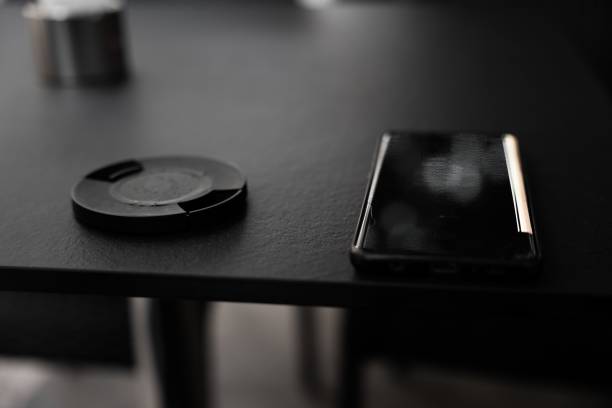
Modern corporate offices depend on connected technology more than ever. Employees, clients and visitors regularly use smartphones, tablets, wireless earbuds and other devices throughout the working day. As these devices become part of everyday workplace activity, convenient access to charging is becoming an increasingly useful consideration in office design.
Traditional charging solutions often involve cables, adapters and visible charging pads placed across desks and tables. While practical, these accessories can contribute to visual clutter and make carefully designed workspaces look less organised. Invisible Wireless Chargers offer another approach by allowing charging technology to become part of the furniture rather than an additional item placed on top of it.
Hidden charging can support both workplace functionality and interior design. It can be considered for individual desks, meeting rooms, reception areas, breakout spaces and collaborative furniture. With appropriate planning, businesses can integrate charging into the workplace while keeping the technology discreet and easy to use.
What Are Invisible Wireless Chargers and How Do They Work?
Invisible Wireless Chargers are designed to provide wireless power while keeping the charging hardware concealed beneath a compatible surface. Instead of placing a conventional charging pad on a desk or table, the charging module can be installed underneath the furniture surface.
A compatible device is positioned above the designated charging zone, allowing power to transfer wirelessly through the suitable surface. This approach can make charging feel like a built-in feature of the furniture rather than a separate accessory.
Understanding Hidden Wireless Charging
A conventional Wireless Charger is normally visible on the surface of a desk or table. Users place their compatible device directly on the charging pad, with the charging equipment remaining exposed.
A hidden wireless charger takes a different approach. The charging module can be positioned beneath a suitable non-metallic surface, allowing the furniture itself to conceal the technology. Kew Labs describes its UTS-2 as a hidden Qi wireless charger designed for installation beneath compatible surfaces such as wood, stone, plastic and glass, subject to the product specifications.
Qi compatibility is also important because Qi is a widely used wireless charging standard. Businesses should still check the specifications of the chosen charging system and the devices that employees or visitors are likely to use.
Why Integration Matters in Office Design
Integrating charging into furniture means technology can be considered during the design and specification process rather than added after the office has already been completed. This can be useful for new furniture, office fit-outs and refurbishment projects.
A hidden installation can help maintain a consistent appearance across desks, tables and counters. However, successful integration requires more than simply placing a charger underneath a surface. Material, surface thickness, power access and charging position all need to be considered before installation.
Where Can Hidden Wireless Chargers Be Used in Corporate Offices?
One of the main advantages of hidden charging is its flexibility. Rather than limiting charging to a dedicated charging station, businesses can incorporate it into areas where people already work, meet, wait and collaborate.
Desks and Workstations
Individual workstations are natural locations for concealed charging. Employees can place compatible smartphones or other devices within a designated charging zone without adding another visible accessory to their desk.
This can help reduce cables around monitors, keyboards and other equipment. It can also work well in flexible and hot-desking environments where employees regularly move between workstations.
A carefully positioned charging area can make it easier for users to keep devices powered while continuing their normal work without searching for spare cables or charging pads.
Meeting Rooms and Conference Tables
Meeting rooms often contain several people using smartphones, tablets and laptops during presentations or discussions. A meeting table with integrated charging can provide convenient access without filling the surface with charging accessories.
This can be particularly useful during longer meetings, workshops and collaborative sessions. For larger conference tables, businesses may also consider multiple charging points, provided the power and installation requirements are properly planned.
Reception Areas and Waiting Spaces
Reception desks, visitor tables and waiting areas can also benefit from discreet charging. Visitors may need to recharge a smartphone while waiting for a meeting, appointment or colleague.
Because reception areas often create the first impression of a workplace, reducing visible cables and accessories can help maintain a clean and organised appearance. Hidden charging can provide a practical facility without making the technology a dominant feature.
Collaborative and Breakout Spaces
Shared tables and breakout areas are increasingly important in flexible workplaces. Employees may use these spaces for informal meetings, focused work or short collaborative sessions.
Installing hidden charging beneath compatible shared surfaces can give users access to power as they move around the office. The charging technology remains discreet while becoming a useful feature of the furniture.
What Are the Benefits of Invisible Wireless Charging in Offices?
Hidden charging can bring together practical workplace requirements and furniture design. Its value is not simply about charging a phone. It can also influence how people interact with desks, tables and shared spaces.
A Cleaner, Less Cluttered Workspace
Visible cables and charging accessories can quickly accumulate around busy workstations and meeting tables. Concealed charging provides an opportunity to reduce some of this visual clutter.
With the charging hardware positioned beneath the surface, desks and tables can remain clearer. This can complement minimalist, contemporary and technology-focused workplace interiors.
The result is a charging solution that performs a useful function without requiring additional equipment to remain visible on the furniture.
Better Technology Integration
Modern workplaces are increasingly designed around technology. Instead of treating technology as something that is added to furniture, integrated charging allows it to become part of the furniture specification.
This can create a more consistent relationship between workplace technology and interior design. Charging becomes available where it is needed without necessarily changing the overall appearance of the space.
For businesses designing new furniture, this approach can be considered alongside other technology requirements from the beginning.
Flexible Installation Options
Concealed charging can be incorporated into different compatible surfaces, depending on the specifications of the charging system. Kew Labs highlights USB-C connectivity for the UTS-2 and provides options for connecting multiple chargers using suitable hubs, which can be relevant to larger installations.
The exact installation method should always be checked against the product requirements. Surface material, thickness, power supply and the position of the charging module can all affect the installation.
Improved User Experience and adding additional services like QR
A charging point is most useful when people can easily understand where to place their device. For this reason, charging zones can be identified with subtle visual indicators or incorporated into the surface design.
Kew Labs recommends incorporating a surface design or indicator to help users identify charging positions. This can make an otherwise invisible technology easier to discover and use. when charging indicators need to be visible, including QR codes for additional monetary services, it is another way to provide great payback on installing chargers and prolongs dwell time.
For employees and visitors, the experience can be straightforward: place a compatible device over the indicated area and allow the concealed charging system to do its job, and if they’re not being used as chargers, they can act as payment / ordering / info points.
What Should Businesses Consider Before Installing a Hidden Wireless Charger?
Invisible charging can provide a clean result, but planning is essential. Businesses should assess the furniture, technology and electrical requirements before committing to a large-scale installation.
Surface and Furniture Compatibility
The first consideration is whether the desk, table or counter is suitable for the selected charging system. Different materials and surface thicknesses can affect wireless charging performance.
Kew Labs’ UTS-2 is intended for compatible non-metallic surfaces, but businesses should review the product specifications carefully before installation. Surface thickness and the distance between the charging module and device are particularly important with charging ranges best set between 8-12mm.
Testing the intended furniture material with the selected charger can help identify compatibility issues before furniture production or wider deployment.
Power and Cable Planning
Hidden does not mean completely cable-free. Although the charging module can remain concealed, it still needs an appropriate power connection.
Power requirements and cable routes should therefore be considered during furniture design. In meeting rooms or larger installations, businesses may need to plan how multiple charging modules will receive power and how connections will remain accessible for maintenance.
Planning these details early can help avoid exposed cables or difficult installation work later.
Device Compatibility
Businesses should consider the devices employees and visitors actually use. Not every phone or accessory necessarily supports the same wireless charging standard or charging requirements.
Testing representative devices before a large installation can help confirm that the selected solution works effectively for the intended users.
Installation and Maintenance
Charging locations should reflect how the furniture is actually used. A charging zone that is positioned awkwardly or frequently covered by other equipment may provide limited value.
Testing a prototype or sample installation can help assess positioning, usability and appearance. Kew Labs also provides technical drawings and routing information that can assist with installation planning.
How to Plan Invisible Charging Into a Modern Office
The most effective approach is to consider charging early in the workplace design process. Workplace designers, furniture manufacturers, facilities teams and technology specialists can work together to identify practical locations and requirements.
Start by identifying where employees and visitors are most likely to need charging. Then consider the number of charging points required in each area, the furniture materials being used and how power will reach each charging module.
It is also useful to plan maintenance access and test the selected technology before wider deployment. Subtle indicators can be incorporated into the furniture so users know where charging zones are located without creating unnecessary visual features.
For projects considering an integrated solution, the Kew Labs UTS-2 Invisible Wireless Charger provides an example of technology designed for installation beneath compatible surfaces. Reviewing the product specifications and installation requirements early can help businesses determine whether it fits their furniture and workplace plans.
Conclusion
Invisible Wireless Chargers can turn charging from a visible accessory into an integrated feature of the modern workplace. By placing compatible charging technology beneath desks, meeting tables, reception counters and collaborative surfaces, businesses can provide convenient device charging while reducing visible cables and standalone accessories. The approach can support cleaner furniture design, easier access to power and stronger integration between workplace technology and interior planning. However, successful installation requires careful consideration of surface materials, thickness, power connections, device compatibility, charging locations and maintenance requirements. Businesses planning an office fit-out, furniture upgrade or workplace redesign can consider hidden charging from the early design stage. To explore an integrated charging option, businesses can review the Kew Labs UTS-2 and consider how its specifications may fit their workplace requirements.
Contact us: If you are planning integrated charging for office furniture or a commercial workspace, contact Kew Labs to discuss your charging requirements and installation considerations.
FAQs
1. What are invisible wireless chargers?
Invisible wireless chargers are wireless charging systems installed beneath compatible furniture surfaces. The charging hardware remains concealed while a compatible device can be placed above the designated charging area. This allows charging to become part of the furniture rather than requiring a visible charging pad.
2. How does a hidden wireless charger work?
A hidden wireless charger uses a charging module positioned beneath a suitable surface. When a compatible device is placed within the charging zone above it, the system transfers power wirelessly through the surface. The exact performance depends on the charger, device and surface specifications.
3. Where can invisible wireless chargers be installed in an office?
They can be considered for desks, individual workstations, meeting tables, conference rooms, reception counters, visitor areas, breakout tables and collaborative furniture. The chosen location should reflect where employees and visitors are most likely to need convenient charging.
4. Can wireless charging work through a desk or table?
Yes, wireless charging can work through a desk or table when the surface material and thickness meet the requirements of the charging system. Kew Labs’ UTS-2 is designed for installation beneath compatible non-metallic surfaces, subject to its specifications.
5. Can multiple invisible wireless chargers be installed in one meeting table?
Multiple charging modules can be incorporated into larger furniture installations when the appropriate power and connection arrangements are planned. Kew Labs provides guidance for multi-charger installations, including options involving suitable hubs. Businesses should review the specific installation requirements before proceeding.
6. Are invisible wireless chargers suitable for flexible offices?
They can be useful in flexible offices because charging can be incorporated into shared desks, hot-desking areas and collaborative tables. Employees can access charging in different parts of the workplace without each area requiring visible charging pads and accessories.
7. What should businesses consider before installing a hidden wireless charger?
Businesses should consider surface material, surface thickness, device compatibility, charging locations, power supply, cable routing, installation requirements and future maintenance. Testing the intended furniture and representative devices before a wider rollout can also be beneficial.
8. Do invisible wireless chargers eliminate all cables?
No. The charging hardware can be concealed, but it still requires an appropriate power connection. The purpose of hidden charging is to conceal the charging infrastructure within or beneath the furniture rather than remove the electrical connection itself.
9. Why should offices consider invisible charging?
Invisible charging can help reduce visible cable clutter, keep desks and tables clearer and provide convenient access to power. It can also help integrate workplace technology with furniture design, particularly in offices where smartphones and other connected devices are used throughout the day.
10. How can I add invisible wireless charging to an office project?
Start by identifying the furniture and locations where charging would be most useful. Then assess surface compatibility, power requirements, device compatibility and installation access. Discussing these requirements with the charging technology provider early in the office design or fit-out process can help determine the most suitable approach.
Invisible wireless chargers are wireless charging systems installed beneath compatible furniture surfaces. The charging hardware remains concealed while a compatible device can be placed above the designated charging area. This allows charging to become part of the furniture rather than requiring a visible charging pad.
A hidden wireless charger uses a charging module positioned beneath a suitable surface. When a compatible device is placed within the charging zone above it, the system transfers power wirelessly through the surface. The exact performance depends on the charger, device and surface specifications.
They can be considered for desks, individual workstations, meeting tables, conference rooms, reception counters, visitor areas, breakout tables and collaborative furniture. The chosen location should reflect where employees and visitors are most likely to need convenient charging.
Yes, wireless charging can work through a desk or table when the surface material and thickness meet the requirements of the charging system. Kew Labs’ UTS-2 is designed for installation beneath compatible non-metallic surfaces, subject to its specifications.
Multiple charging modules can be incorporated into larger furniture installations when the appropriate power and connection arrangements are planned. Kew Labs provides guidance for multi-charger installations, including options involving suitable hubs. Businesses should review the specific installation requirements before proceeding.
They can be useful in flexible offices because charging can be incorporated into shared desks, hot-desking areas and collaborative tables. Employees can access charging in different parts of the workplace without each area requiring visible charging pads and accessories.
Businesses should consider surface material, surface thickness, device compatibility, charging locations, power supply, cable routing, installation requirements and future maintenance. Testing the intended furniture and representative devices before a wider rollout can also be beneficial.
No. The charging hardware can be concealed, but it still requires an appropriate power connection. The purpose of hidden charging is to conceal the charging infrastructure within or beneath the furniture rather than remove the electrical connection itself.
Invisible charging can help reduce visible cable clutter, keep desks and tables clearer and provide convenient access to power. It can also help integrate workplace technology with furniture design, particularly in offices where smartphones and other connected devices are used throughout the day.
Start by identifying the furniture and locations where charging would be most useful. Then assess surface compatibility, power requirements, device compatibility and installation access. Discussing these requirements with the charging technology provider early in the office design or fit-out process can help determine the most suitable approach.