
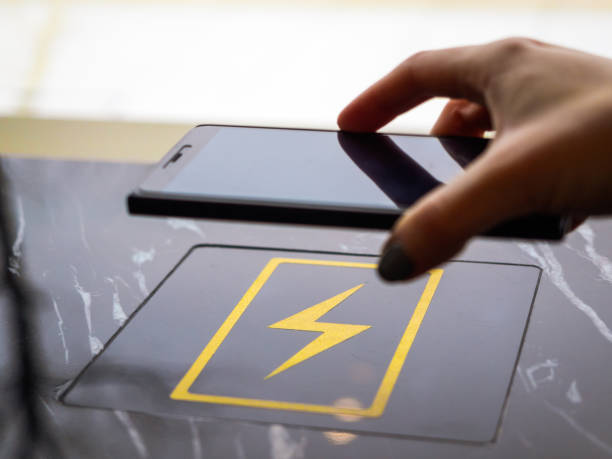
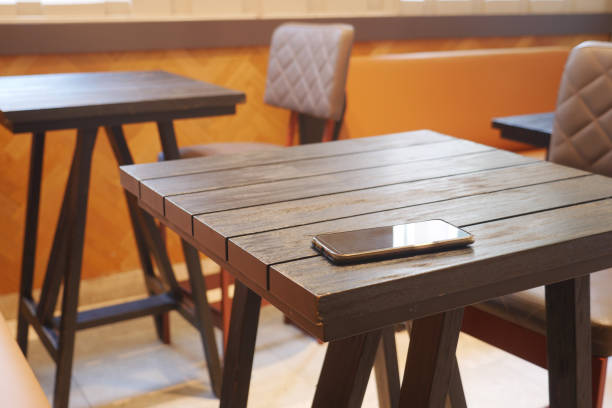
Modern dining is increasingly connected to smartphones. Guests use their phones to check digital menus, make contactless payments, browse social media, communicate with friends, order transportation and capture photos of their meals. When a phone battery starts running low, what seems like a small inconvenience can quickly become a disruption to the overall experience.
A restaurant cell phone charging station gives guests a convenient way to keep their devices powered while they continue dining or enjoying drinks. Instead of searching for an outlet or leaving the table to charge a phone, guests can access charging where they naturally spend their time.
For restaurants and bars, this makes phone charging more than a utility. It can become a thoughtful hospitality amenity that supports convenience, complements digital services and contributes to a more technology-friendly environment.
Why Do Restaurants Need Cell Phone Charging Stations?
A restaurant experience involves more than food and beverages. Convenience, comfort and thoughtful service all influence how guests perceive a venue. Providing accessible phone charging addresses a common problem while fitting naturally into the modern hospitality environment.
Solve a Common Guest Problem
A low smartphone battery can be frustrating, particularly when guests depend on their devices throughout the day. Someone may need their phone for navigation, communication, digital tickets, mobile payments or arranging transportation after dinner.
A restaurant charging station gives guests an easy way to address the problem without interrupting their visit. This is especially useful when guests have limited access to a wall outlet or do not have their own charging cable available.
Make Guests More Comfortable
Guests should not have to leave their table or search around the restaurant for a suitable power outlet. A convenient charging point can allow them to keep their phones close while continuing their meal or conversation.
This small convenience can make the environment feel more accommodating. When useful amenities are available exactly where guests need them, the overall dining experience can feel more considered and comfortable.
Add a Practical Hospitality Amenity
Restaurants regularly look for ways to make guests feel welcome. Complimentary Wi-Fi, comfortable seating and convenient payment options are examples of amenities that support the customer experience.
A guest charging station can serve a similar purpose. It addresses a practical need without requiring a major change to restaurant operations, making it a relatively simple addition to a hospitality-focused environment.
Create a More Technology-Friendly Experience
Many restaurants already use technology throughout the customer journey. QR menus, digital ordering, online reservations, contactless payments and mobile loyalty programs all depend on guests having access to a working smartphone.
Providing charging supports this connected environment. It helps ensure that guests can continue using the digital services offered by the restaurant without worrying as much about their phone battery.
How Can a Charging Station Improve the Restaurant Guest Experience?
A charging station may seem like a small feature, but hospitality often depends on removing small points of friction. When guests can conveniently charge their phones without disrupting their visit, the amenity can become a useful part of the overall experience.
Keep Guests Connected While They Dine
The biggest advantage is simple convenience. Guests can charge their devices while remaining at their table or bar rather than walking around the venue looking for an outlet.
This is particularly valuable in restaurants where guests use their phones for menus, reservations, payments, communication and entertainment. Keeping the charging point close to the guest makes the process feel less disruptive.
Kew Labs’ hospitality charging solutions are designed around this concept, allowing charging to be integrated into tables and bar surfaces rather than requiring visible cables across dining areas.
Support Longer, More Comfortable Visits
A guest who is concerned about a nearly empty phone battery may be thinking about finding an outlet, arranging transportation or preserving enough battery for the rest of the evening. Convenient charging can remove one of those concerns.
However, charging should not be treated as a guaranteed way to increase customer dwell time or spending. Instead, restaurants can view it as an amenity that helps create a more comfortable environment where guests can enjoy their visit without an unnecessary technology-related interruption.
Improve Customer Satisfaction
Customer satisfaction is often influenced by details that may not be part of the main product or service. A convenient amenity can demonstrate that a restaurant understands the practical needs of its customers.
A phone charging option is particularly relevant because smartphones have become closely connected with modern dining. Providing charging can therefore reinforce the impression that the venue is attentive, convenient and prepared for contemporary guest expectations.
Give Your Venue a Point of Differentiation
Restaurants compete on food, atmosphere, service, location and overall experience. Practical technology amenities can provide another way to create a distinctive environment.
A discreet charging solution can be especially valuable for restaurants, hotels, bars and other hospitality venues that want technology to feel integrated rather than added as an afterthought. The goal is not simply to offer a charger, but to make convenience part of the venue’s design.
Where Should Restaurants Install Mobile Phone Charging Stations?
The best location depends on how guests move through the restaurant and where they naturally use their phones. Charging should be accessible without interfering with staff movement, food service or the visual appearance of the space.
Restaurant Tables
Dining tables are an obvious location because guests already place their phones there. An integrated charging point can allow guests to charge without needing to run a cable from a wall outlet.
Discreet installation can also help maintain a clean table surface. This is particularly useful for restaurants that place a strong emphasis on interior design and presentation.
Bar Tops and Counters
Bars can be another effective location for a bar phone charging station. Guests often remain at the bar for extended periods, making convenient charging particularly useful.
Kew Labs showcases UTS-2 installations across bar surfaces, demonstrating how charging technology can be incorporated into the bar environment without relying on bulky charging docks.
Lounges and Waiting Areas
Charging can also be useful in waiting areas, lounges and other spaces where guests spend time before or after dining. These locations can be particularly helpful for customers waiting for a table, meeting friends or relaxing before leaving.
A charging point in these areas gives guests another useful service while making better use of spaces that may otherwise have limited functionality.
Integrated Into Restaurant Furniture
Rather than placing a standalone charger on a table, restaurants can consider integrating charging technology directly into suitable furniture or surfaces.
This approach can help reduce visual clutter and make the charging point feel like part of the original design. It is particularly relevant for restaurants undertaking renovations or designing new dining and bar areas.
What Features Should Restaurants Look for in a Charging Station?
Not every charging solution is designed for commercial hospitality environments. Restaurant owners should consider usability, compatibility, appearance and installation requirements before choosing a system.
Wireless and Cable-Free Charging
Wireless charging can help reduce visible cables around dining surfaces. Guests can place compatible smartphones on the designated charging area without needing to connect a cable directly to the phone.
For restaurants, this can create a cleaner experience while reducing the number of loose wires that could interfere with food, drinks or table settings.
Qi Device Compatibility
Compatibility is another important consideration. Qi is a widely used wireless charging standard supported by many smartphones and other devices.
Kew Labs states that its UTS-2 supports Qi-enabled devices, including iPhones and most Android smartphones. Restaurants should always verify compatibility with the devices commonly used by their guests before selecting a charging system.
Multiple Charging Points
Larger restaurants may need more than one charging point. A single charger may be sufficient for a small installation, while larger venues may benefit from multiple charging locations across tables, counters or bar areas.
Kew Labs notes that UTS-2 installations can be configured with multiple chargers in one location, which can help hospitality venues create charging coverage across larger spaces.
Branding and Charging Indicators
Guests need to understand where charging is available. A subtle charging indicator can make the location easier to identify without compromising the design of the restaurant.
Kew Labs offers customizable charging indicators, allowing businesses to incorporate branding and design elements into the charging locator. This can help the technology feel like a deliberate part of the restaurant’s identity.
How Can Restaurants Integrate Charging Without Affecting Their Design?
One of the biggest considerations for hospitality businesses is aesthetics. A charging station should provide useful functionality without making tables, counters or bars look cluttered.
Choose Hidden or Integrated Charging
Hidden or integrated charging can help maintain a cleaner appearance than standalone charging docks and loose cables. When the technology is incorporated beneath or within a suitable surface, the charging functionality can remain discreet until a guest needs it.
This approach works particularly well for modern restaurants where furniture and interior details are carefully planned.
Match the Charging Indicator to the Brand
A charging point does not have to look generic. Restaurants can use branded indicators, symbols or other visual elements that complement the surrounding design.
Kew Labs’ hospitality examples include branded charging indicators incorporated into bar designs, including installations for Soiled Dove and Broken Compass Brewing. This demonstrates how a practical charging feature can become part of the visual experience.
Plan Charging During Renovations and New Builds
The easiest time to consider integrated technology is often during a renovation, refurbishment or new construction project. Furniture specifications, surface materials and power access can be planned around the charging system.
Kew Labs states that UTS-2 can be retrofitted where applicable surface requirements are met. However, some existing bar and hospitality surfaces may require preparation because they exceed the system’s stated thickness range. Checking installation requirements before committing to a location is therefore important.
Best Practices for Installing Charging Stations in Bars and Restaurants
A successful installation should focus on how guests actually use the space. The charging point should be convenient, easy to recognize and compatible with the furniture and infrastructure.
Identify Where Guests Naturally Use Their Phones
Start with locations such as dining tables, bar tops, counters and waiting areas. Observe where guests already place their phones and where they spend the most time.
This can help determine which locations will provide the most practical value.
Plan the Number of Charging Points
Consider seating capacity, peak occupancy, bar length and the number of areas where guests are likely to use their phones.
A larger venue may benefit from several charging points distributed throughout the property instead of concentrating everything in one location.
Check Surface and Installation Requirements
Before installation, evaluate the furniture construction, surface thickness, material and access to power. These factors can affect whether a particular charging system is suitable for the location.
Planning these details early can help prevent installation complications later.
Make Charging Easy to Find
A charging point is only useful if guests know it is available. Use a recognizable but visually appropriate indicator to show where guests can place their devices.
The indicator should be noticeable enough to communicate the feature without distracting from the restaurant’s design.
Consider QR Codes and Digital Engagement
Charging indicators can also become a digital touchpoint. Depending on the implementation, QR codes can direct guests to menus, ordering systems, payment options, Wi-Fi information or other digital resources.
This creates an opportunity to connect a practical charging amenity with the restaurant’s wider digital experience.
Is a Restaurant Cell Phone Charging Station Worth the Investment?
For restaurant owners, the value of charging should be considered in terms of the overall guest experience rather than simply the cost of the charging hardware.
Think Beyond the Charger
A restaurant cell phone charging station is not simply another electrical accessory. It can become part of the service environment by addressing a problem that many smartphone users encounter during the day.
When charging is convenient and well integrated, it can support the restaurant’s broader focus on customer comfort and technology.
Consider Convenience and Customer Perception
Small amenities can influence how guests perceive a business. A restaurant that anticipates practical customer needs can create an experience that feels more thoughtful and accommodating.
Phone charging is not a substitute for excellent food or service, but it can complement those elements by removing an avoidable inconvenience from the dining experience.
Consider the Long-Term Design Value
For new builds and renovations, integrated charging can be considered as part of the furniture and interior specification from the beginning. This can provide a more cohesive result than adding standalone accessories later.
Planning ahead also gives restaurant owners more flexibility when deciding where charging points should be positioned and how they should look.
Conclusion: Turn Phone Charging Into a Hospitality Advantage
A restaurant cell phone charging station can serve a much bigger purpose than simply replenishing a smartphone battery. By giving guests a convenient way to stay powered while they dine, restaurants can solve a genuine everyday problem, support a technology-friendly environment and add another thoughtful element to their hospitality experience. When charging is discreetly integrated into tables, bar tops, counters or other suitable surfaces, it can provide convenience without disrupting the restaurant’s design or service. Ultimately, good hospitality is often about removing small points of friction, and accessible phone charging is one practical way for restaurants and bars to make the guest experience more convenient and connected.
Contact us today to explore Kew Labs‘ wireless charging solutions for restaurants, bars and hospitality environments.
Frequently Asked Questions About Restaurant Cell Phone Charging Stations
A restaurant cell phone charging station is a dedicated charging solution that allows guests to recharge compatible mobile devices while dining or drinking.
Depending on the design, it can be installed into tables, bar tops, counters or other suitable surfaces. Wireless options can provide charging without requiring guests to connect a traditional cable to their phones.
Phone charging provides a practical guest amenity that can make dining more convenient. Guests can keep their devices powered without leaving their table or searching for an available outlet.
It can also contribute to a more modern, technology-friendly restaurant environment, particularly when the venue already uses digital menus, ordering or contactless payment systems.
Suitable locations can include dining tables, bar tops, counters, lounges and waiting areas. The best choice depends on the restaurant’s layout, furniture and guest behavior.
Restaurants should prioritize areas where guests naturally spend time and regularly place or use their smartphones.
Wireless charging can offer advantages in hospitality environments because it can reduce visible cables and allow charging technology to be integrated more discreetly.
Whether it is the best option depends on the restaurant’s furniture, surface construction, device compatibility and installation requirements.
Compatible devices can charge when they support the relevant wireless charging standard, such as Qi.
Kew Labs states that its UTS-2 supports Qi-enabled devices, including iPhones and most Android smartphones. Restaurants should confirm the compatibility requirements of their chosen charging solution before installation.
Yes, charging systems can be integrated into restaurant tables and bar tops when the surface construction and installation requirements are suitable.
Surface thickness, material, furniture construction and access to power should be evaluated before installation to determine whether a particular location is appropriate.
Some charging solutions allow businesses to customize charging indicators to match their branding and interior design.
Kew Labs states that its charging locator stickers can be customized with branding and design, allowing the charging feature to feel more integrated into the overall restaurant environment.
Yes. QR codes can potentially be incorporated into charging indicators or nearby touchpoints, depending on the charging solution and implementation.
They can direct guests toward digital menus, ordering, payments, Wi-Fi information or other online resources, creating an additional connection between the charging amenity and the restaurant’s digital experience.