In the evolving landscape of modern hospitality, technology continues to redefine guest expectations and operational efficiency. Kew Labs stands at the forefront of this transformation with its innovative invisible charging solutions for hotels. As convenience becomes an essential part of guest satisfaction, seamless and wireless power delivery has emerged as a game-changer for hotels worldwide.
This article explores how invisible wireless charging is reshaping hotel design, enhancing guest experiences, and offering new levels of efficiency for hospitality management teams.
Wireless charging has evolved beyond simple convenience it has become a design statement and a symbol of innovation. In hotels, where guests expect seamless comfort and technology integration, invisible charging in hotels represents the next step in the guest experience evolution.
Unlike traditional charging stations, invisible charging allows power to flow through surfaces such as desks, bedside tables, and counters, without clutter or visible cables. It enhances the ambiance of hotel rooms and common spaces while delivering functionality where it’s needed most.
For hotels seeking to maintain a sleek, modern aesthetic, this solution ensures that technology remains functional yet unobtrusive.
Invisible wireless charging operates through electromagnetic induction. Power is transferred wirelessly from a transmitter placed beneath a surface to a compatible receiver in a device—such as a smartphone or tablet—on top.
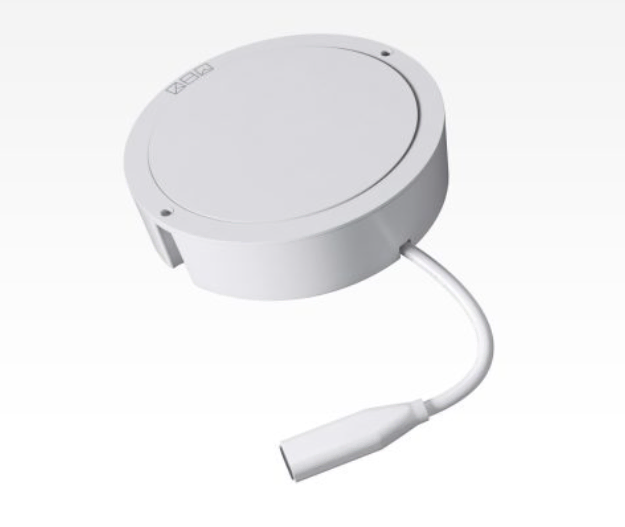
The Kew Labs UTS-2 Invisible Wireless Charger exemplifies this technology. Designed for under-table installation, it supports efficient charging through non-metallic surfaces such as wood, glass, or plastic, maintaining surface integrity while providing reliable energy transfer.
For detailed guidance, hotels and installers can refer to the UTS-2 installation guide to ensure optimal placement and performance.
Today’s guests travel with multiple devices smartphones, tablets, wearables, and laptops. Offering invisible charging points in rooms, lobbies, and meeting spaces elevates convenience, allowing guests to power their devices effortlessly.
Visible charging cables and adapters can disrupt the harmony of hotel interiors. Invisible charging solutions maintaina clean, minimalist design that aligns with modern hospitality aesthetics.
With rapid advancements in wireless technology, investing in invisible charging in hotels positions properties for long-term adaptability. These systems can easily integrate into smart hotel environments, complementing IoT-driven guest services.
Invisible charging stations reduce maintenance associated with cable wear and tear. They simplify housekeeping routines and minimize guest complaints about faulty charging outlets.
Invisible charging can be implemented in multiple areas of a hotel, enhancing both guest convenience and operational value.
Dining areas equipped with wireless charging points create an added value for guests, enhancing their overall dining experience.
Explore more about the applications of wireless charging in hospitality on Kew Labs’hotel and hospitality charging solutions page.
Sustainability has become a defining principle in modern hospitality. Invisible wireless charging supports eco-friendly initiatives by reducing waste associated with disposable adapters and power cords.
Moreover, intelligent power management systems can optimize energy use, ensuring devices only receive power when necessary. This aligns with hotels’ efforts to reduce carbon footprints and enhance their commitment to green operations.
The seamless integration of invisible charging requires strategic design planning. Hotels partnering with technology providers like Kew Labs can work closely with interior designers and facility managers to ensure optimal placement and performance.
Key design considerations include:
Hospitality is an industry built on impressions. Every guest touch point contributes to how a brand is perceived. Offering invisible wireless charging communicates a message of innovation, thoughtfulness, and modernity.
Guests interpret the presence of smart technologies as an indicator of premium service quality. Hotels adopting invisible charging in hotels are viewed as forward-thinking establishments that prioritize guest convenience and comfort.
While the benefits are significant, successful integration requires addressing a few key challenges:
Choosing the right installation partner and understanding the surface specifications are crucial. Using detailed guides such as Kew Labs’ installation resources ensures accuracy and reliability.
Not all devices are equipped for wireless charging. However, many modern smart phones and accessories like AirPods Pro and other premium ear buds now support the Qi wireless standard, making invisible charging a practical feature for most guests.
While initial investments may be higher than traditional charging setups, the long-term savings on maintenance, guest satisfaction, and brand differentiation often justify the cost.
The hospitality industry is moving toward integrated smart environments where lighting, temperature, and connectivity respond to guest preferences. Invisible charging is a critical part of this evolution bridging the gap between comfort and technology.
As wireless power transfer becomes faster and more efficient, hotels will increasingly rely on invisible charging to meet guest expectations and maintain operational excellence.
With ongoing innovation from companies like Kew Labs, hotels can anticipate even more advanced, efficient, and design-friendly solutions soon.
Most modern smartphones and accessories that support Qi wireless charging can use invisible charging solutions, including all iPhones since 2018 and Samsung Galaxies since 2012.
Visit Kew Labs’ contact page to discuss invisible charging options tailored to your hospitality needs.
Invisible charging represents more than a technological upgrade it’s a design-forward, guest-centered innovation that aligns with the future of hospitality.Branded charging points with QR technologies can also be revenue and cost saving initiatives in providing convenience for guests to order on the spot or access hotel information.By incorporating invisible charging in hotels, establishments can create environments that are both functional, aesthetic and profitable.
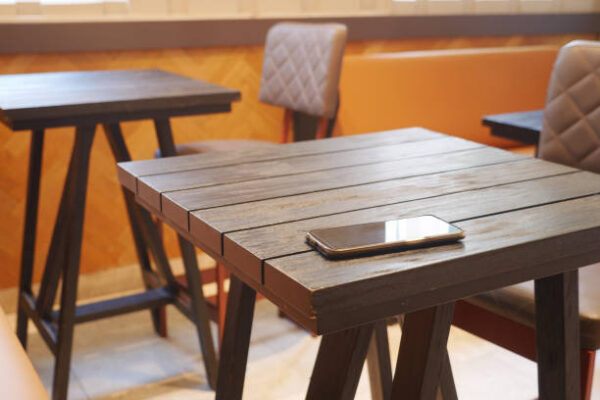
Modern dining is increasingly connected to smartphones. Guests use their phones to check digital menus, make contactless payments, browse social
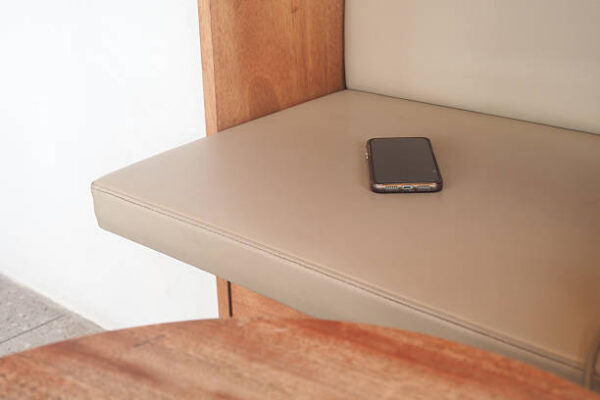
Introduction Tables support dining, work, meetings, shopping, and social time. Phones also need power during the day. Traditional charging can
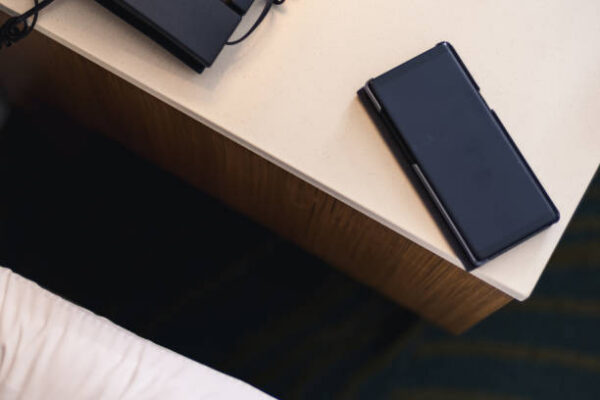
Modern workplaces depend on connected devices every day. Employees use smartphones, earbuds, tablets, and other portable devices for communication, meetings,
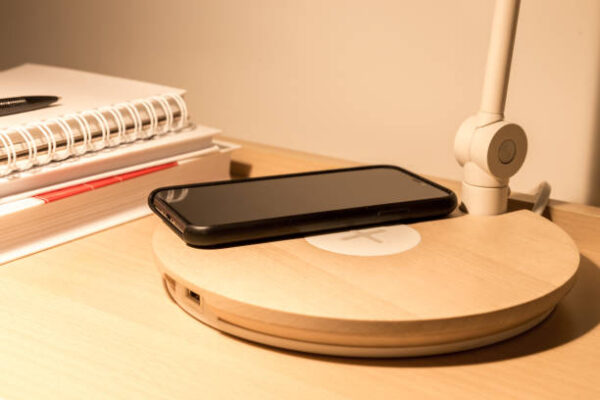
Modern workplaces depend on connected devices. Employees use smartphones, earbuds, tablets, and other mobile devices throughout the day. But charging
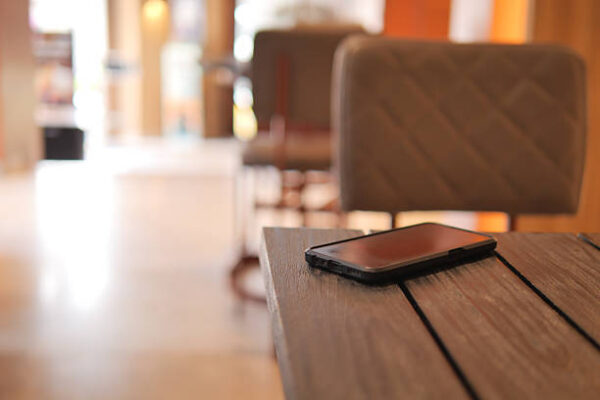
Modern hotel guests rely on their devices throughout their stay. Smartphones help guests check in, find local places, view digital
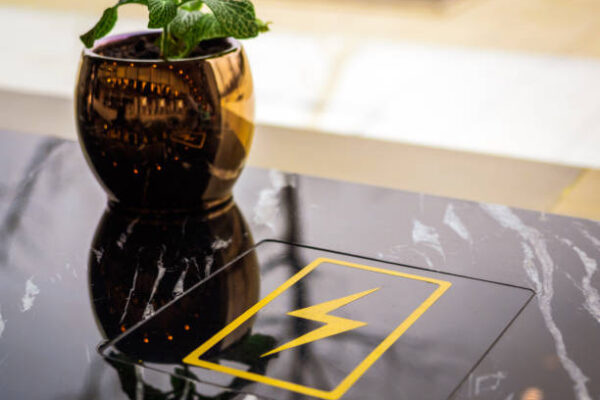
Guests rely on their phones more than ever. They use them to check digital menus, place orders, make payments, find