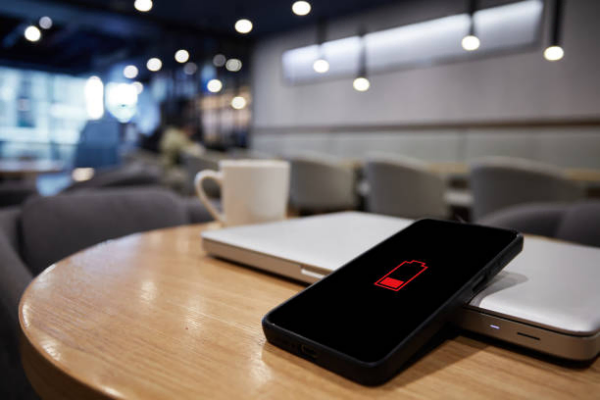
September 16, 2024
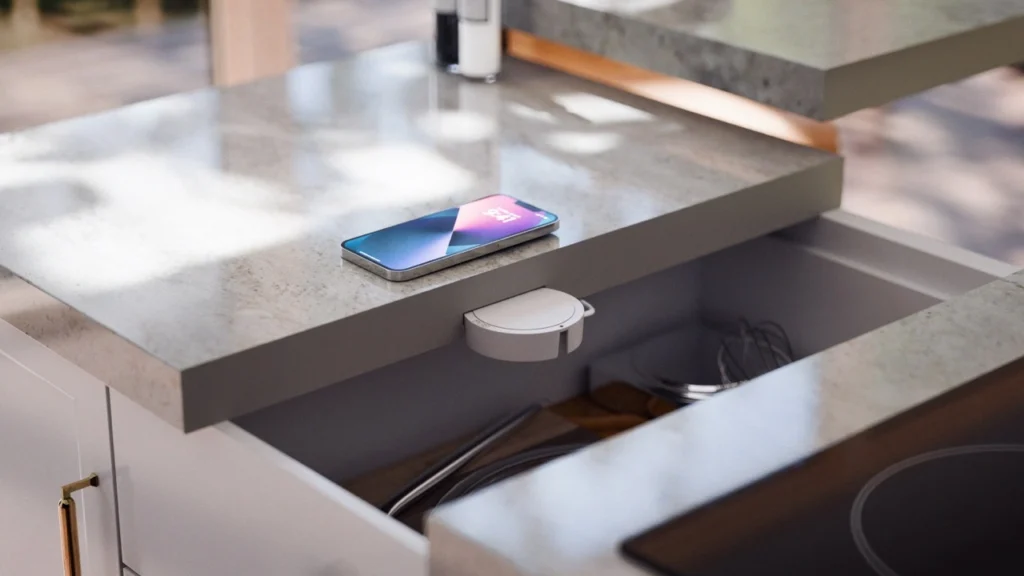
Wireless charging is quickly gaining popularity as a convenient way to power electronic devices, particularly smartphones. It utilizes electromagnetic induction to transfer power without the need for cables or connectors.
How Does Wireless Charging Work?
Wireless charging works through inductive charging. Here’s a simple explanation of the process:
When you place your phone on a wireless charger, these coils align, allowing power to transfer wirelessly from the charger to your device.
Key Components of a Wireless Charging System
A typical wireless charging system consists of several important parts that work together:
Wireless charging technology follows standards like Qi (pronounced “chee”), which is supported by over 200 companies including major brands like Apple and Samsung. This universal compatibility means that your device will work with different chargers regardless of the brand.
For more detailed information on wireless charging technologies and their applications, you can explore our blog.
Additionally, Kew Labs offers various products and solutions including modern kitchen design ideas integrated with wireless charging, as well as wireless charging solutions for bars that keep pace with modern hospitality demands.
To learn more about us and our journey, feel free to visit our About Us page.
Wireless charging technologies have evolved significantly, offering various methods tailored to different needs and applications. Here are the three primary types:
Tightly-Coupled Inductive Charging
Tightly-coupled inductive charging is the most common method used today, particularly in consumer electronics like smartphones and smartwatches. This method relies on a close physical alignment between the transmitter coil in the charging pad and the receiver coil in the device.
Advantages of Tightly-Coupled Inductive Charging
Limitations of Tightly-Coupled Inductive Charging
Recent advancements have improved charging speed and safety, making it a reliable choice for everyday use.
Loosely-Coupled Resonant Charging
Loosely-coupled resonant charging offers more flexibility compared to tightly-coupled inductive charging. It uses magnetic resonance to transfer power between coils that do not need to be perfectly aligned or in close proximity.
Advantages of Loosely-Coupled Resonant Charging
Limitations of Loosely-Coupled Resonant Charging
This technology is ideal for scenarios where user convenience is paramount, such as in public spaces or integrated into furniture. For example, wireless charging solutions for bars and hospitality benefit from this flexibility, allowing patrons to charge their devices effortlessly.
Uncoupled RF Charging
Uncoupled RF charging represents a leap forward by using radio frequencies to transmit power over longer distances without any physical contact between the charger and the device.
Advantages of Uncoupled RF Charging
Limitations of Uncoupled RF Charging
This method is promising for future applications, such as powering small IoT sensors or wearables throughout a home or office environment without the need for numerous chargers scattered around.
Real-World Applications
Different wireless charging technologies find their niches based on their unique characteristics:
Using compatible accessories is crucial for optimal performance and safety when charging wirelessly. Mismatched or low-quality accessories can lead to subpar charging speeds, overheating, or even potential damage to your devices.
Key Accessories to Consider
Fast-Charging Cables
While wireless charging pads do the main job, fast-charging cables play a supportive role. They connect the charging pad to a power source, and using a high-quality, fast-charging cable ensures that your pad receives adequate power for efficient charging.
Wireless Charging Pads
Wireless charging pads are essential for the actual inductive process. Some top recommendations include:
Magnetic Car Mounts
For those who spend a lot of time driving, magnetic car mounts with wireless charging capabilities can be game-changers. They combine the convenience of hands-free phone usage with continuous charging on the go.
Recommendations for High-Quality Products
Incorporating these accessories into your wireless charging setup not only optimizes performance but also ensures a safer and more efficient experience. Selecting high-quality products, such as those offered by Kew Labs, can significantly enhance your overall satisfaction with wireless charging technology. For advanced setups or integration into home surfaces like kitchen countertops, Kew Labs offers an alignment tool to ensure seamless installation.
Misconceptions about Wireless Phone Chargers
Wireless charging technology has been surrounded by various myths that often lead to hesitation among potential users. Addressing these misconceptions is crucial for a clearer understanding.
Myth: Wireless charging is slower than wired charging.
Reality: While early iterations of wireless charging were indeed slower, advancements have significantly reduced the gap. Many modern wireless chargers can deliver fast charging speeds comparable to wired options, especially with high-quality accessories.
Myth: Wireless charging can damage your phone’s battery.
Reality: Both wired and wireless charging can impact battery health over time if not used correctly. Quality wireless chargers often come with safety features that prevent overheating and overcharging, ensuring battery longevity.
Myth: You can’t use your phone while it’s wirelessly charging.
Reality: Many wireless chargers are designed to allow you to continue using your phone, whether it’s browsing, watching videos, or making calls. Chargers like stand-type models enable easy access to your device during the process.
Comparing Wireless Charging vs Wired Charging
Understanding the differences between wireless and wired charging helps in making an informed decision:
Safety Concerns
One common concern is about the safety of wireless charging systems:
Practical Applications
Wireless charging isn’t just limited to smartphones:
Over-the-Air Systems (Radio frequency)
Over-the-air charging systems, another exciting development, aim to eliminate the need for physical contact between the charger and the device. This technology uses radio frequency (RF) to transmit power over short distances, allowing multiple devices to charge simultaneously within a specific range.
Electric Vehicle Integration and Smart Home Compatibility
The integration of wireless charging in electric vehicles (EVs) presents a significant leap forward. Imagine parking your EV in your garage or at a public charging station, and it starts charging wirelessly without any cables. This convenience can extend to smart homes, where smart furniture could incorporate built-in wireless chargers for seamless charging experiences throughout your living space. The Kew Labs team currently actively works on EV wireless charging.
Standardization Efforts for Interoperability
Ongoing standardization efforts play a crucial role in ensuring interoperability between different devices and chargers. Organizations like the Wireless Power Consortium (WPC) work towards creating universal standards such as the Qi standard, which is already supported by major brands including Apple and Samsung. Standardization ensures that your wireless charger will work with any compatible device, reducing confusion and enhancing user convenience.
For those interested in exploring cutting-edge wireless charging solutions for various applications, Kew Labs offers a range of innovative products designed to integrate seamlessly into your home or office environment. From invisible wireless charging installations to countertop chargers, there’s something for every need.
As these advancements continue to unfold, staying informed about the latest trends can help you make the most of this evolving technology. For example, planning a wireless charging countertop in your kitchen could add both convenience and modern flair to your home.
Explore further by reaching out to Kew Labs for inquiries on product development or installation services tailored to your specific requirements. Contact us to learn more about invisible wireless charging installations, product and development enquiries.
Additionally, if you have recently made a purchase from Kew Labs, please verify your order completion here.
Embracing the convenience and versatility of a wireless phone charger can significantly enhance your daily life. While there are certain limitations, such as potentially slower charging speeds and limited compatibility between devices, the benefits far outweigh the drawbacks. The ease of use, reduction in cable clutter, and seamless integration into various environments make wireless charging an attractive option.
Wireless phone charging has revolutionized the way we power our devices. This technology has come a long way from its inception, with continuous advancements paving the way for even more innovative solutions. The future of wireless charging promises exciting developments like solar-powered chargers and over-the-air systems, which could further simplify and enhance our tech-driven lives.
For businesses looking to integrate wireless charging solutions, Kew Labs offers valuable resources and products:
By staying informed and open to new technologies, you can make the most of what wireless charging has to offer.

Modern dining is increasingly connected to smartphones. Guests use their phones to check digital menus, make contactless payments, browse social
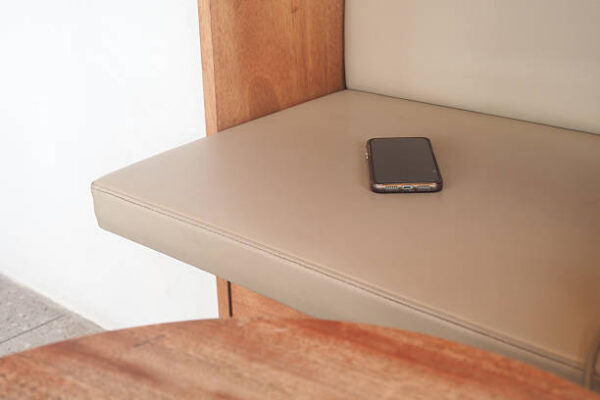
Introduction Tables support dining, work, meetings, shopping, and social time. Phones also need power during the day. Traditional charging can
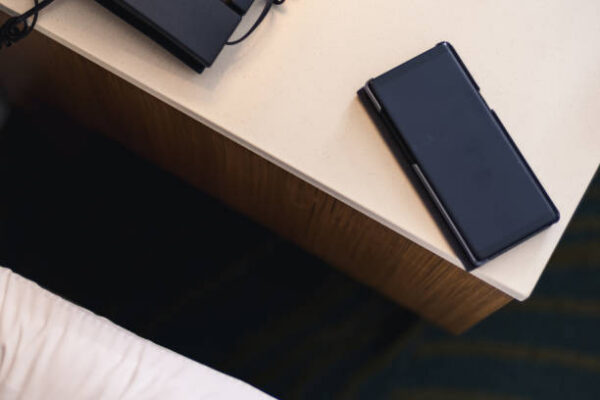
Modern workplaces depend on connected devices every day. Employees use smartphones, earbuds, tablets, and other portable devices for communication, meetings,
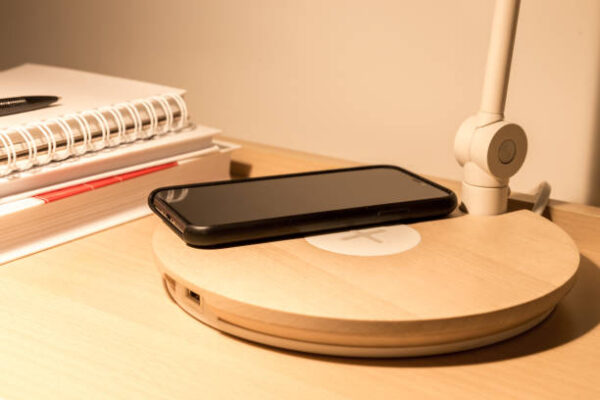
Modern workplaces depend on connected devices. Employees use smartphones, earbuds, tablets, and other mobile devices throughout the day. But charging
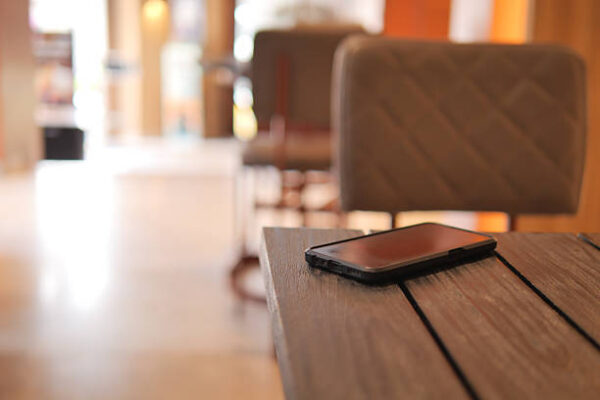
Modern hotel guests rely on their devices throughout their stay. Smartphones help guests check in, find local places, view digital
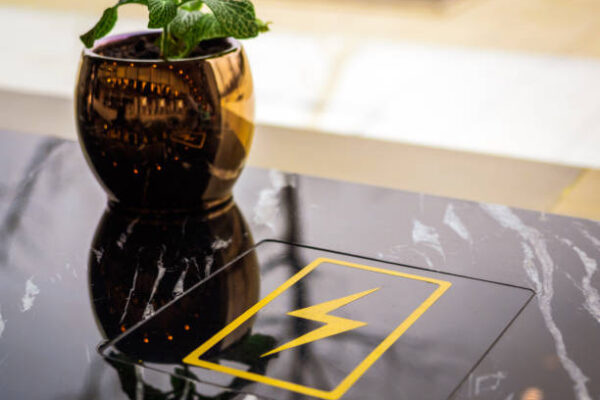
Guests rely on their phones more than ever. They use them to check digital menus, place orders, make payments, find