In the ever-evolving landscape of technology, the way we interact with our daily environment is constantly changing, particularly in the world’s busiest space – the kitchen. With the advent of smart technologies, kitchens have begun to transform into digital hubs, enhancing convenience and efficiency. Among these technological advancements, invisible wireless charging has emerged as a potential game-changer. This article delves into why invisible wireless charging is set to revolutionize smart kitchens, emphasizing its benefits, challenges, and future implications.
Wireless charging technology eliminates kitchen countertop clutter, thereby offering a sleek and effective user experience. Charging pads are embedded under kitchen table tops, enabling users to simply put their gadgets on the counter for effortless charging. This utility drives the trend towards tech-integrated homes, simplifying day-to-day tasks and providing better ergonomics.
Some additional benefits include:
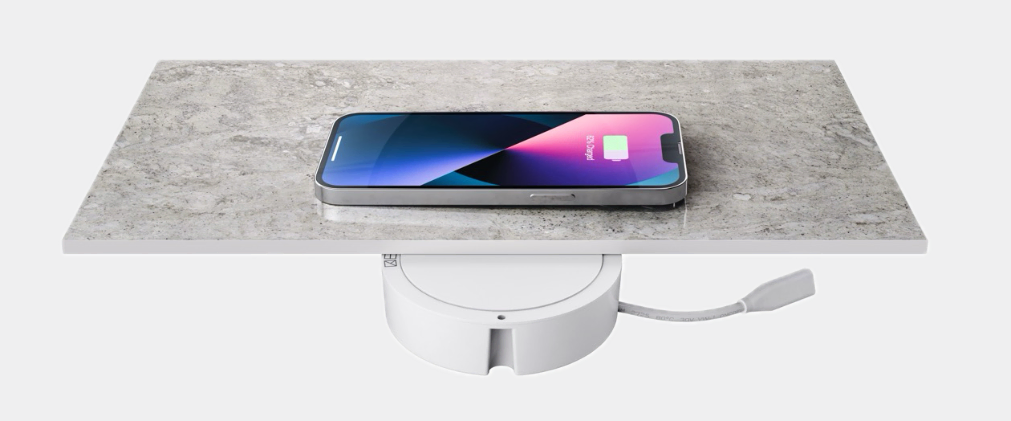
The ongoing trend towards minimalism in interior design implies less visible cords and devices. Products like the UTS-2 Invisible Wireless Charger by Kew Labs, enable users to admire an uncluttered countertop. These chargers not only serve practical purposes but also enhance the visual appeal of modern kitchen designs by concealing technology beneath surfaces.
Invisible wireless charging works through inductive coupling for energy transfer. Companies such as Kew Labs have created effective Qi wireless charging solutions, capable of operating through all non-metallic surfaces between 8-12mm(0.3”-0.47”) thick thanks to continuous innovation. Powered by the Intelligent Power Communication™ System, this promotes dependable energy transmission across numerous materials.
Smart kitchen solutions are not limited to smartphone charging. Kitchen gloves, scales, and even compact kitchen appliances have begun adopting wireless power. With increasing numbers of kitchen gadgets equipped with this technology, cooking tasks can be performed more efficiently and safely, eliminating worries about water splashes and tangled wires.
The US has seen a surge in the adoption of smart home technologies, inclusive of wireless kitchen solutions. Market research suggests that 60% of new homes constructed will integrate some form of smart technology in the kitchen area by 2030. This is propelled by the ever-growing consumer demand for easy and convenient lifestyles.
In the 2023 NKBA design trends report in the area of Kitchen Island technologies, areas dedicated to mobile device charging and laptop viewing were by 73% of respondents as being prominent in the next 3 years.
Unlike traditional charging methods which feature multiple cords and fixed plugs, invisible wireless charging eliminates these hindrances. This improves safety by reducing electrical hazards linked with water spills and also decreases charging port wear and tear on multiple electronic devices.
Here is a comparative analysis:
| Traditional Charging | Invisible Wireless Charging |
|---|---|
| Risk of electric shock due to water spills | Eliminates most electricity risks, safer for water-prone areas |
| Requires cord management and available plugs | Easy, cordless charging on specially equipped surfaces |
| Over time can damage device charging ports | Reduces wear and tear by eliminating physical connection |
The invisible wireless charging market is predicted to grow at a compound annual growth rate (CAGR) of 23% over the next decade. This surge is attributed to increased laboratory testing and consumer trust. Industries related to construction and smart appliance manufacturing could see a significant boost with these developments.
While the integration of wireless charging in kitchens presents exciting opportunities, several challenges must be addressed. These obstacles might just make the difference between widespread acceptance and limited functionality.
The next frontier in wireless technology involves increasing the distance and efficiency of wireless charging — this is just the tip of the iceberg.
The transition towards wireless charging also plays a significant role in enforcing environmental sustainability. Every year, electronic waste contributes significantly to global waste, and a considerable part of this is due to cable replacements.
By reducing electronic waste and leaning toward more sustainable energy solutions, wireless charging in kitchens becomes an important ally in curbing the harmful effects of electronic waste. A 2019 report showed that electronic waste contributes a staggering 53.6 million metric tons to the world’s annual waste, growing at 21% in just five years. A strategic shift like this could have important implications in reducing this distressing rise.
| Waste Type | Amount (Metric Tons) |
|---|---|
| Global waste | 2.01 billion |
| Electronic waste | 53.6 million |
With wireless charging technology, consumers play an essential role in this more sustainable lifestyle, and kitchens could be at the forefront of this small yet impactful change.
The integration of invisible wireless charging in smart kitchens is catalyzing a transformation in how we perceive and interact with one of the most utilized spaces in homes. As technologies like Kew Labs’ UTS-2 gain traction, users can look forward to kitchens that combine aesthetics with functionality, paving the way for smarter, more efficient living environments. The embrace of this technology also heralds broader mandates for eco-friendly solutions and minimizes reliance on clutter-prone devices while ensuring safety and efficiency are enhanced.
Invisible wireless charging involves embedding wireless charging technology beneath kitchen surfaces, such as countertops, to charge devices without visible components. This technology creates a sleeker, more organized space by eliminating cables and offering a convenient way to power devices. Available solutions, like the Kew Labs UTS-2, showcase the industry’s advancements in design and performance, making kitchen environments more user-friendly and futuristic.
The UTS-2 Invisible Wireless Charger functions by utilizing inductive charging, powered by the Intelligent Power Communication™. This technology allows the charger to communicate with devices to supply the appropriate power necessary for charging through countertops while maintaining high efficiency and safety standards. Its compact and durable build facilitates easy installation in various surfaces, making it an ideal choice for modern smart kitchen environments.
Installing a hidden wireless charger requires careful consideration of countertop thickness, material, and the location where charging is desired. A thorough assessment ensures the chosen surface allows sufficient energy transfer without diminishing charging effectiveness. The UTS-2 is specifically designed to work through any non-metallic surfaces between 8-12mm(0.3”-0.47”) thick to function which means for most standard kitchen countertops between 2cm and 3cm, this will require your installer or fabricator to router a small pocket into the underside of the countertop.
For plug & play installations, consider materials that are already within a 12 mm (0.47”) thickness. This includes popular materials for the kitchen such as porcelain and solid surfaces. Brands in this area include Neolith, Laminam, Dekton, Corian, HIMACS and many others.
Future advancements in kitchen technology are likely to increase the distance and efficiency of wireless power transmission. Integrated artificial intelligence and sensor technologies will enable smart kitchens to autonomously adapt to user habits, maximizing both energy efficiency and device longevity. These developments are anticipated to further integrate various smart home devices into the kitchen setting, fostering an even more user-friendly and interconnected home environment.
Contact Kew Labs (Hana Technologies Inc)
29000 Aurora Road, Solon, Ohio, 44139, USA
Email: info@kewlabstech.com
Explore more at Kew Labs
Modern dining is increasingly connected to smartphones. Guests use their phones to check digital menus, make contactless payments, browse social
Introduction Tables support dining, work, meetings, shopping, and social time. Phones also need power during the day. Traditional charging can
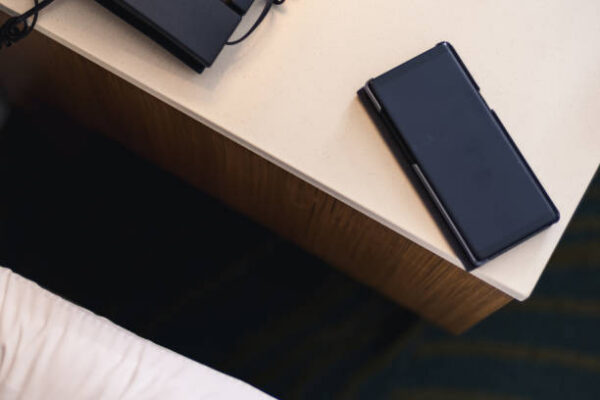
Modern workplaces depend on connected devices every day. Employees use smartphones, earbuds, tablets, and other portable devices for communication, meetings,
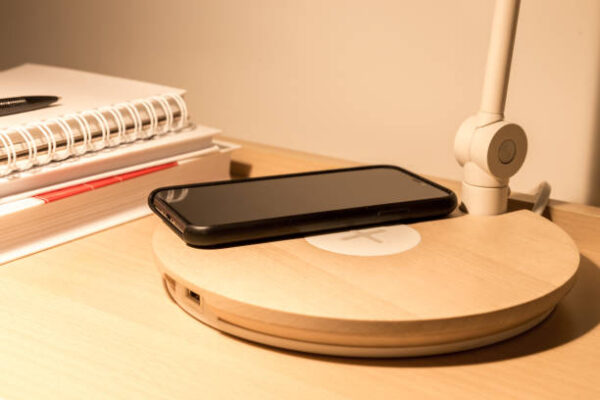
Modern workplaces depend on connected devices. Employees use smartphones, earbuds, tablets, and other mobile devices throughout the day. But charging
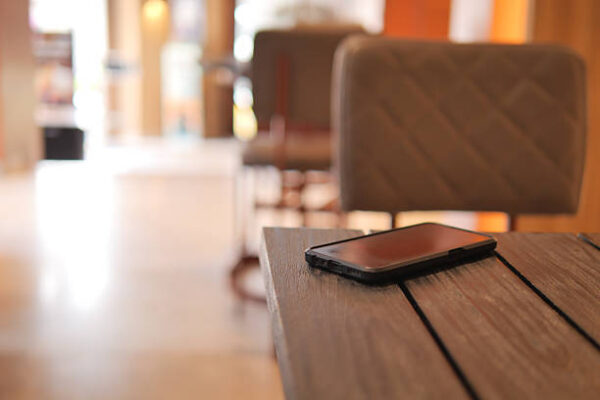
Modern hotel guests rely on their devices throughout their stay. Smartphones help guests check in, find local places, view digital
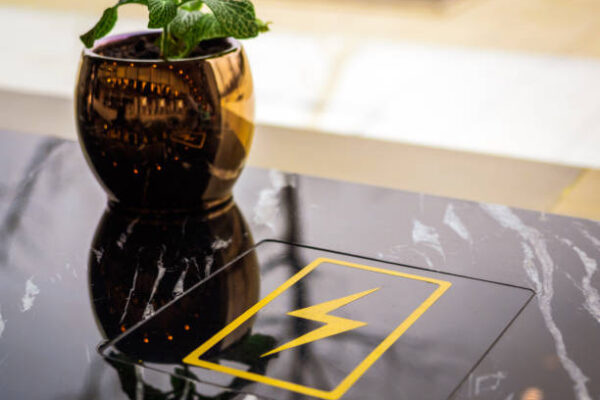
Guests rely on their phones more than ever. They use them to check digital menus, place orders, make payments, find